Dissolve Effect in Shader Graph and URP
Dissolve is often used for destroying objects in games, or in reverse when spawning them in. Shader Graph makes it simple to make effects like these!
Dissolve is often used for destroying objects in games, or in reverse when spawning them in. Shader Graph makes it simple to make effects like these!
Surfing the seas in Zelda Wind Waker is so iconic because of the stylized water effect, which we can recreate with a Voronoi-style noise texture.
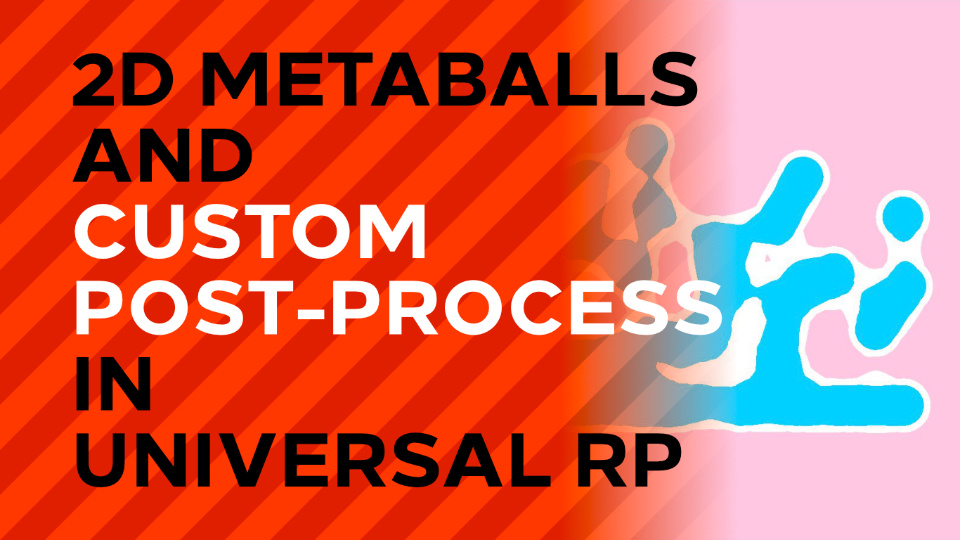
Metaballs are a method of simulating smooth surfaces, and by adding physics components to each one, with a bit of shader magic, we can simulate simple fluids.
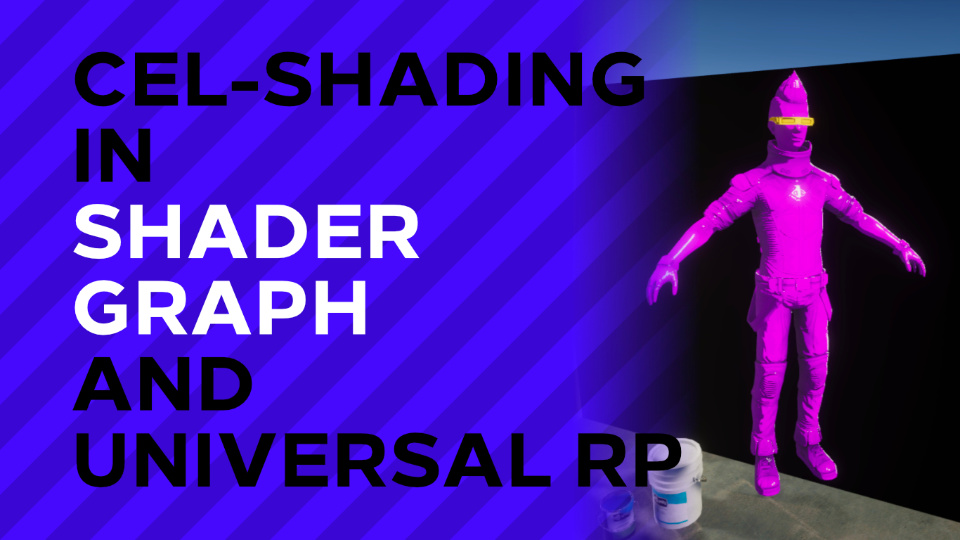
With a bit of added custom HLSL code, we can use Shader Graph to create a cel-shaded lighting effect.
With some noise, color ramps, and UV calculations, we can burn away the edges of the screen.
For an easy sketched look, we can combine depth-, color-, and normal-based outlines with an overlaid sketch texture which animates in discrete time steps.
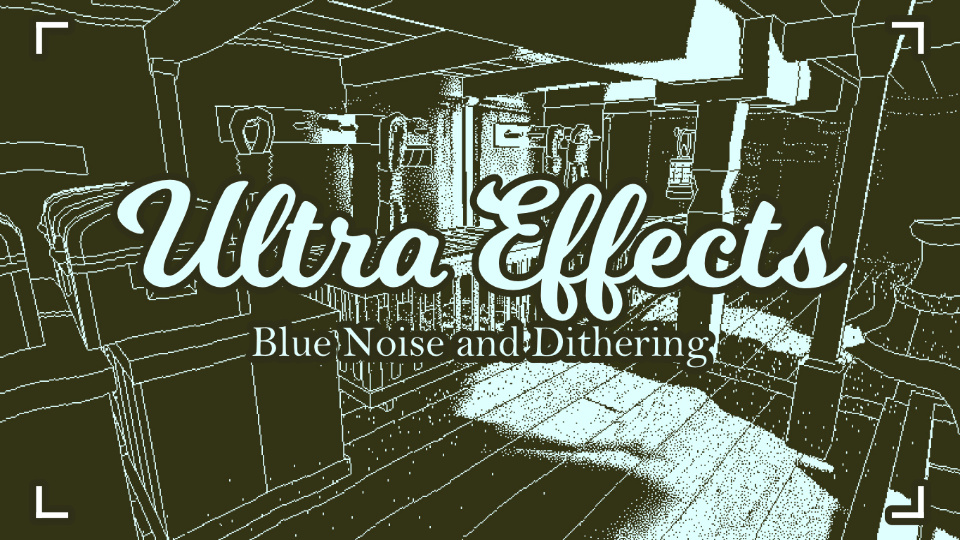
Return of the Obra Dinn used a beautiful stable dithered effect in 3D. We can do something similar in screen space to implement a two-toned noisy effect.
A kaleidoscope uses angled mirrors to produce a psychadelic image, which we can recreate in shaders with polar coordinates and thresholding based on angle.
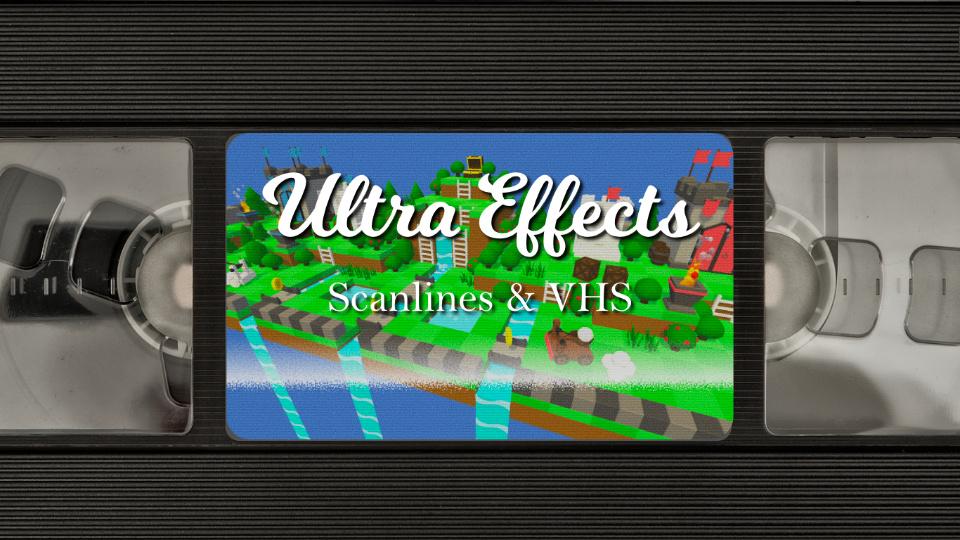
Scanlines and fuzzy visual glitches are all you need to create a simple and convincing CRT screen effect.
In Portal, you can see portals in portals, which requires recursively mapping the view from one portal in another portal.
Firing portals and snapping them to the edge of a wall without overhangs involves a lot of fiddly raycasts. Plus, let's shoot portals through portals, Narbacular Drop-style.
When an object travels through one portal, its momentum must be conserved. Plus, we need to render a clone whenever the object is partway through a portal.
Using an oblique projection matrix to set up a view frustum is crucial for properly culling objects behind the portal plane without culling anything in front of it.
Rendering the view from behind one portal on the surface of its paired portal requires a bunch of space transformations and stencils.
Spyro renders the skybox of an upcoming level inside the portal for that level, then swaps the active skybox as you cross its threshold.