Portals | Series Introduction
In this series of articles, we'll discuss portal rendering techniques for Spyro the Dragon and Portal.
In this series of articles, we'll discuss portal rendering techniques for Spyro the Dragon and Portal.
Separating out different color channels and offsetting them using UVs can emulate the way wavelengths of light bend by different amounts in a real camera lens.
Classic photographic film has surface imperfections which mean more or less light is captured. We can recreate it digitally with random noise and add film bars based on aspect ratio.
Separating out an image into two and tinting red and blue lets us create an image which looks 3D when viewed by special glasses.
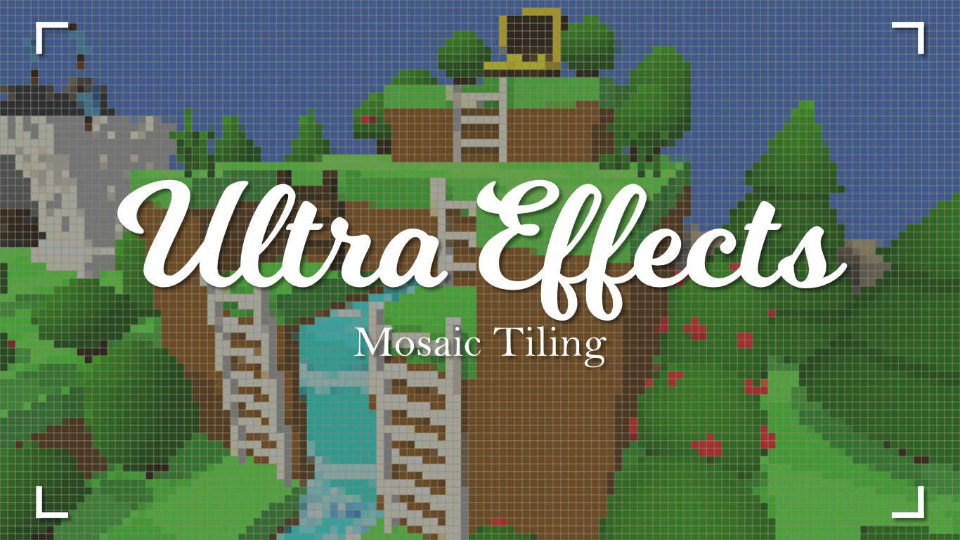
How often do you think about Ancient Rome? In this article, we'll pixelate the image and overlay a mosaic pattern between the pixel tiles.
With a UV offset based on a flow map texture, you can make the camera feel like it's underwater.
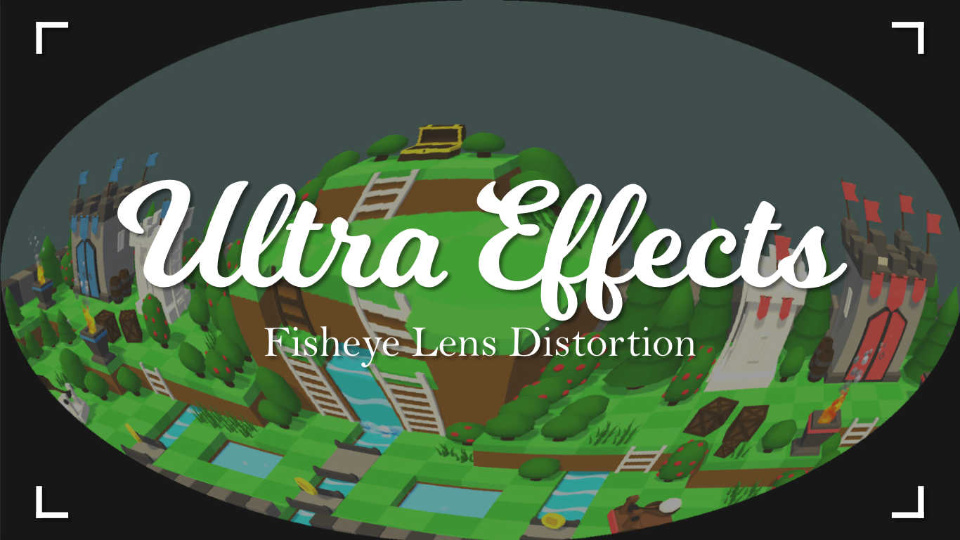
Some lenses are stronger than others, and with UV manipulation, we can implement the extreme warping of a fisheye lens.
In this series of articles, we'll learn about many different image effects such as fisheye lens, underwater, 3D anaglyph, and chromatic aberration.
We can implement a texture lighting ramp for finer control over our lighting cutoff points and use different stencil IDs to prevent strange outline overlap issues.
Outlines are a great way to emphasize the toon aesthetic, and we can add inverted hull outlines in a second pass.
Normal maps let us add finer detailing on an object's surface and change the way lighting interacts with the object. Fresnel lighting helps objects stand out in a scene.
By introducing a hard cutoff point in the lighting ramp, we can render cel-shaded lighting, which makes objects look cartoony.
Unity provides ways of accessing information about lights in the scene, and we can use the vector dot product to calculate the amount of illumination on the surface.
We use simplified models to approximate the way real light behaves. By splitting light into ambient, diffuse, and specular components, we can calculate light efficiently.
The cel-shading technique was used to stylize the look of many games such as Wind Waker and Jet Set Rario. This series of articles will explore how it works.