Voronoi-based Lava in Unity Shader Graph
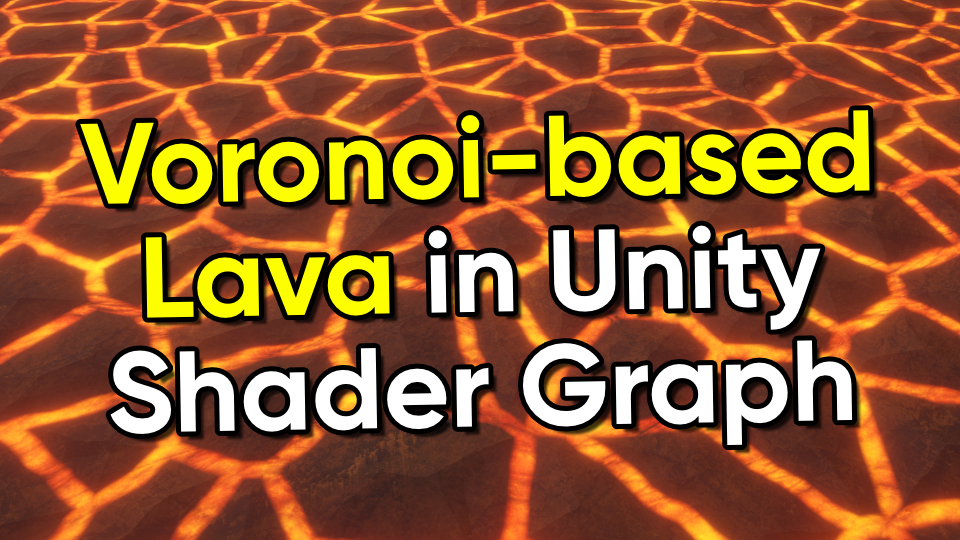
Voronoi noise patterns look like random organic cells. This custom Voronoi code makes it easier to find cell edges to make a rocky lava surface.
Voronoi noise patterns look like random organic cells. This custom Voronoi code makes it easier to find cell edges to make a rocky lava surface.
This quick-fire article will blast through ten effects, from inverted hull outlines and silhouettes to vertex displacement waves and 2D swirling vortices.
With the Fullscreen Shader Graph type, we can draw outlines by finding changes in color across nearby pixels.
Holograms help make your game feel more futuristic, like this flexible and feature-packed reactive shield effect.
With halftone, we can posterize a smooth shading gradient into a stylistic dot-matrix pattern with differently-sized dots.
Combining Shader Graph and VFX Graph can yield more powerful visuals than using one tool alone.
Decals are now supported in URP natively, but it's still useful to know how you can make your own decal Shader Graph using depth buffer tricks.
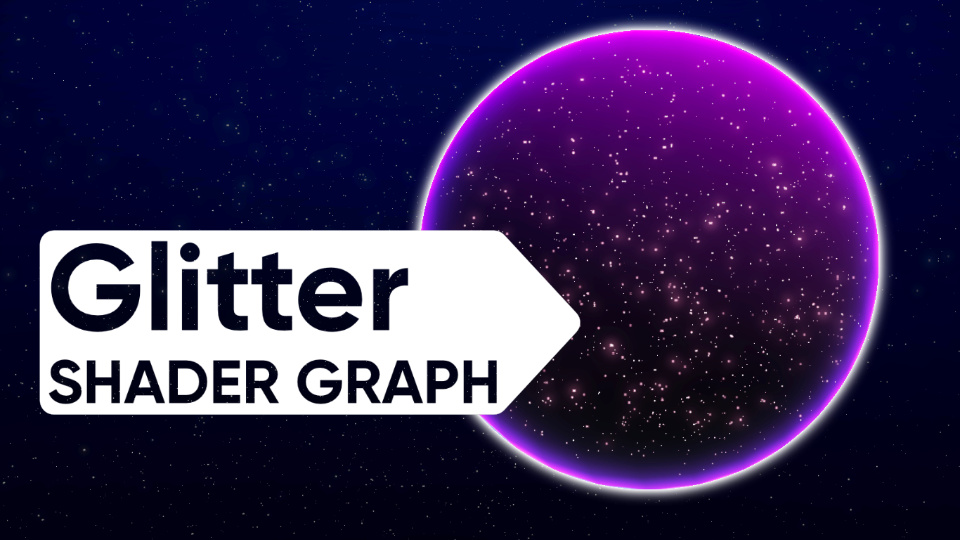
Using noise to produce random vectors, we can calculate lighting based on the main light direction and add tiny sparkles to the surface of an object.
We can use a UV offset based on the distance between a pixel and a ripple origin point to distort a painting texture.
Part of the process of making shaders is figuring out how to break down a large effect into smaller steps.
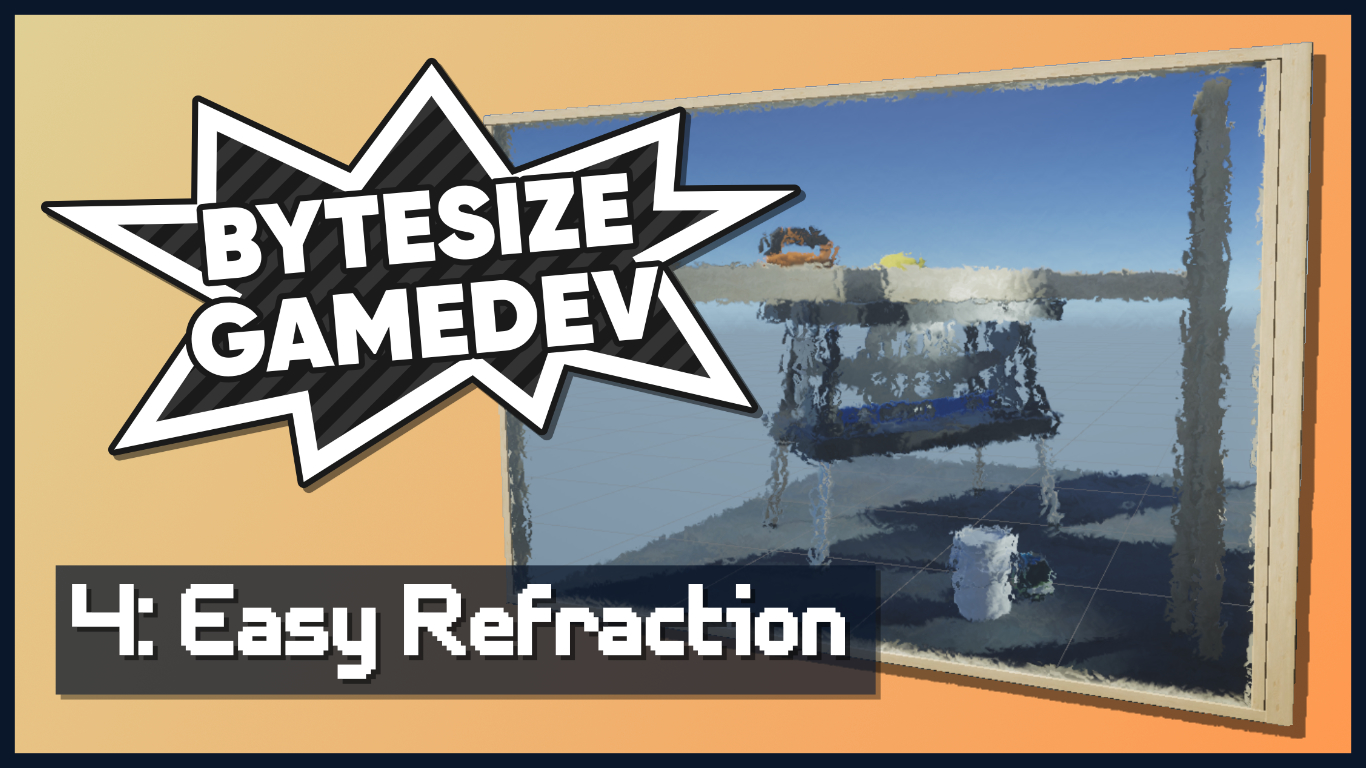
For a quick refraction effect, we can use a flow map to offset the Scene Color node.
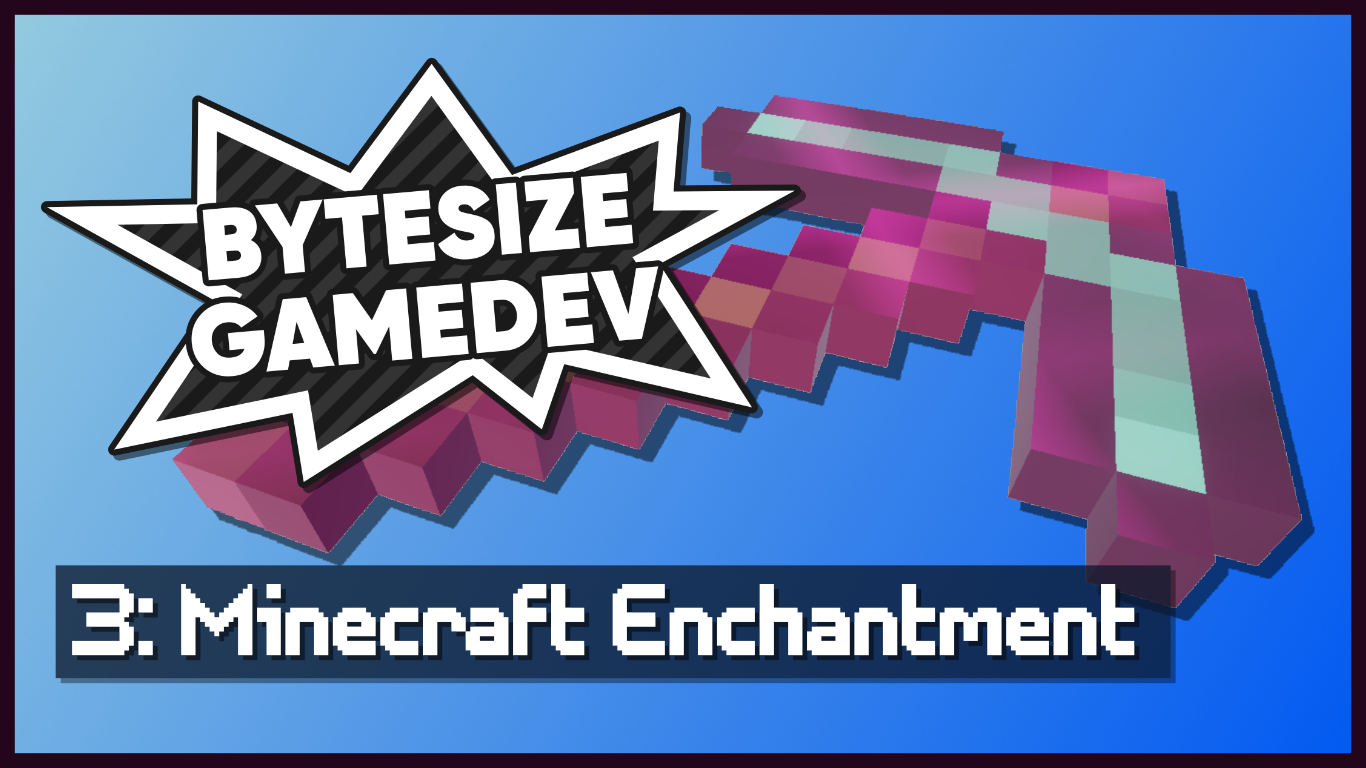
The enchantment effect seen in Minecraft involves scrolling a secondary transparent texture as an overlay on the base texture.
To make the two-frame wobble effect from scribbl.io, it's as easy as adding a random noise UV offset with a modulo clock.
Duplicating a mesh, inverting its faces, and moving them along the normal vector then drawing with a block color is probably the most widely-used outline method in games.
Shader Graph comes with over 200 nodes, and in this mammoth article, I'll explain how each one works with examples.