10 Shaders Explained Quickly
This quick-fire article will blast through ten effects, from inverted hull outlines and silhouettes to vertex displacement waves and 2D swirling vortices.
This quick-fire article will blast through ten effects, from inverted hull outlines and silhouettes to vertex displacement waves and 2D swirling vortices.
Modern stealth games feature x-ray vision, which helps to track hidden enemies and other points of interest. Render Objects helps us to draw objects through walls.
Problems can often be solved in several ways. We can draw grass with basic meshes, geometry shaders, procedural rendering, billboards, terrains, and impostors.
Combining Shader Graph and VFX Graph can yield more powerful visuals than using one tool alone.
We can use the stencil buffer to mask out portions of the screen and only render objects in specific layers in those portions for 'impossible' visuals.
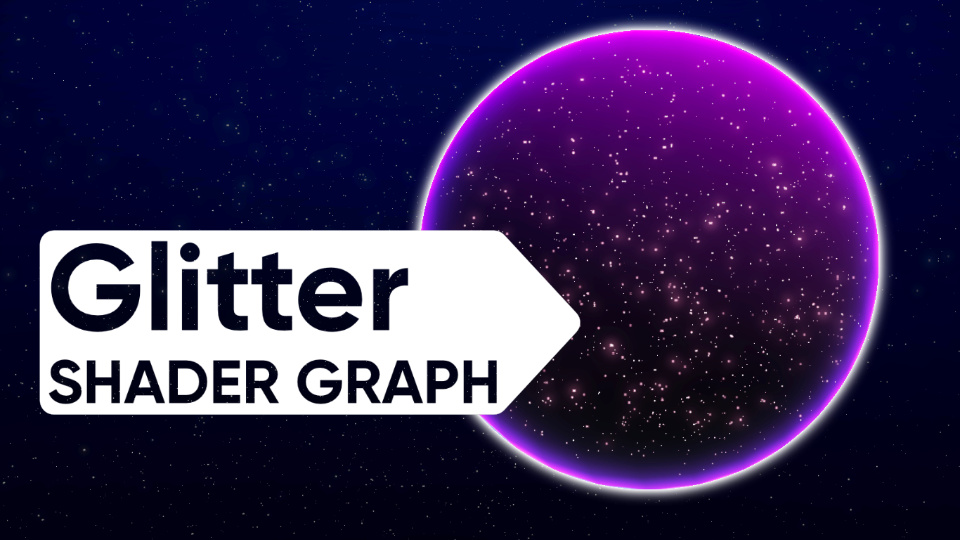
Using noise to produce random vectors, we can calculate lighting based on the main light direction and add tiny sparkles to the surface of an object.
Decals are now supported in URP natively, but it's still useful to know how you can make your own decal Shader Graph using depth buffer tricks.
We can use a UV offset based on the distance between a pixel and a ripple origin point to distort a painting texture.
Part of the process of making shaders is figuring out how to break down a large effect into smaller steps.
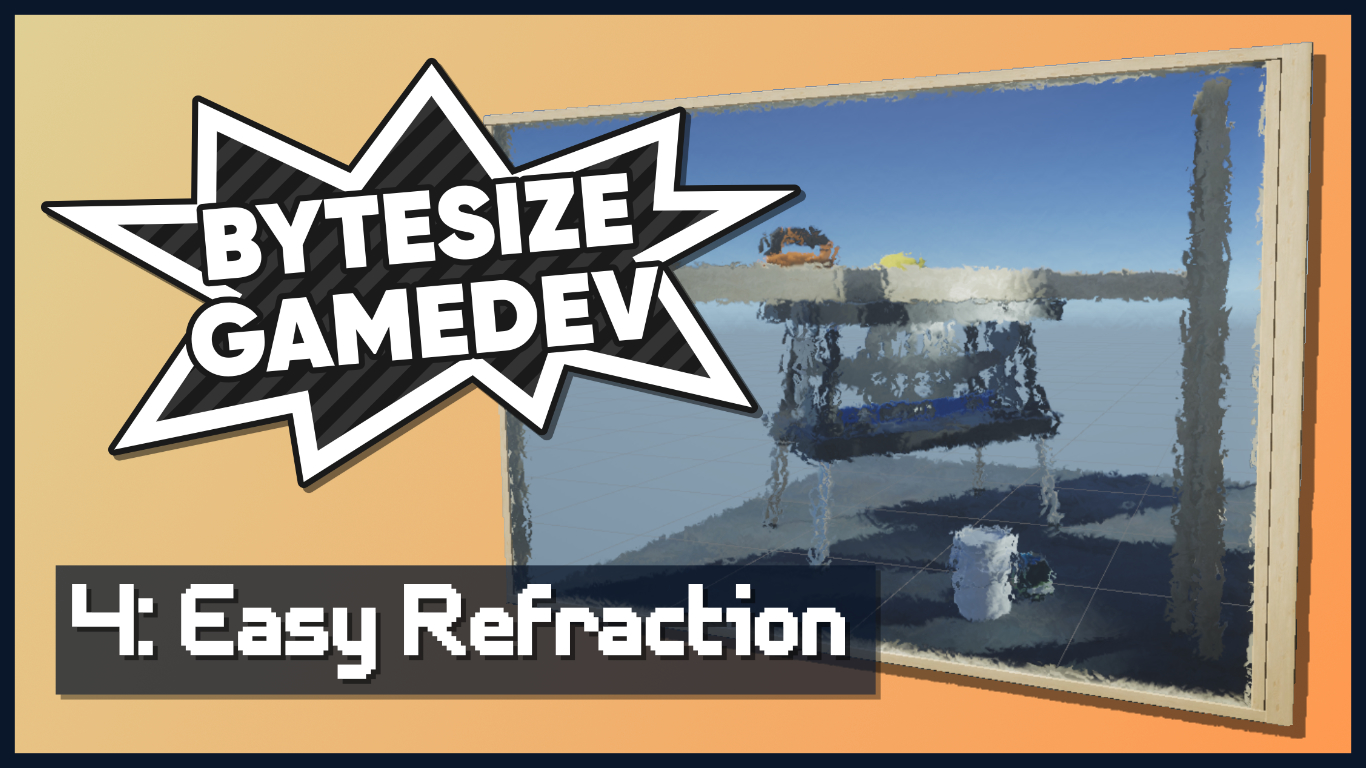
For a quick refraction effect, we can use a flow map to offset the Scene Color node.
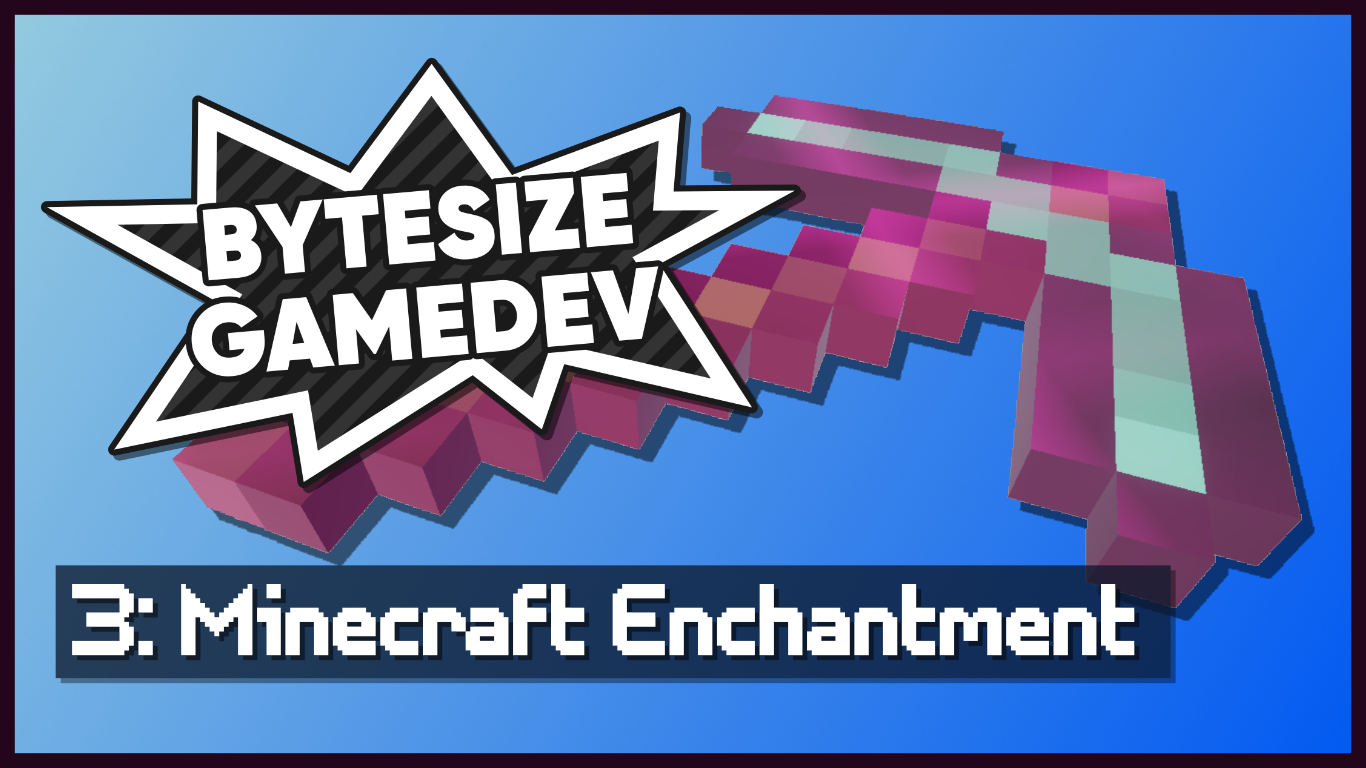
The enchantment effect seen in Minecraft involves scrolling a secondary transparent texture as an overlay on the base texture.
To make the two-frame wobble effect from scribbl.io, it's as easy as adding a random noise UV offset with a modulo clock.
Duplicating a mesh, inverting its faces, and moving them along the normal vector then drawing with a block color is probably the most widely-used outline method in games.
Shader Graph comes with over 200 nodes, and in this mammoth article, I'll explain how each one works with examples.
HLSL shader code in URP works slightly differently to the built-in pipeline. If you've never worked with shader code before, this is a good place to start!