Ultra Effects | Part 11 - Fire Frames
With some noise, color ramps, and UV calculations, we can burn away the edges of the screen.
With some noise, color ramps, and UV calculations, we can burn away the edges of the screen.
For an easy sketched look, we can combine depth-, color-, and normal-based outlines with an overlaid sketch texture which animates in discrete time steps.
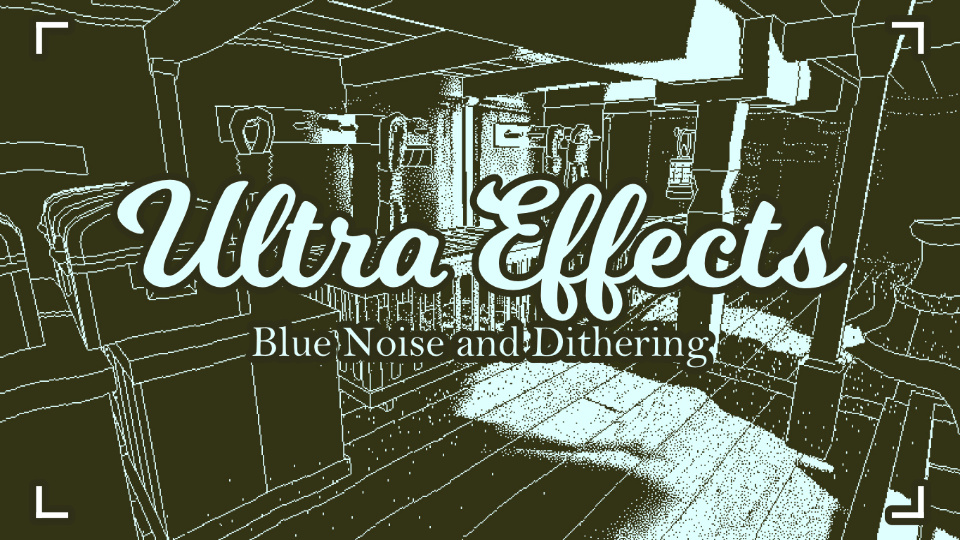
Return of the Obra Dinn used a beautiful stable dithered effect in 3D. We can do something similar in screen space to implement a two-toned noisy effect.
A kaleidoscope uses angled mirrors to produce a psychadelic image, which we can recreate in shaders with polar coordinates and thresholding based on angle.
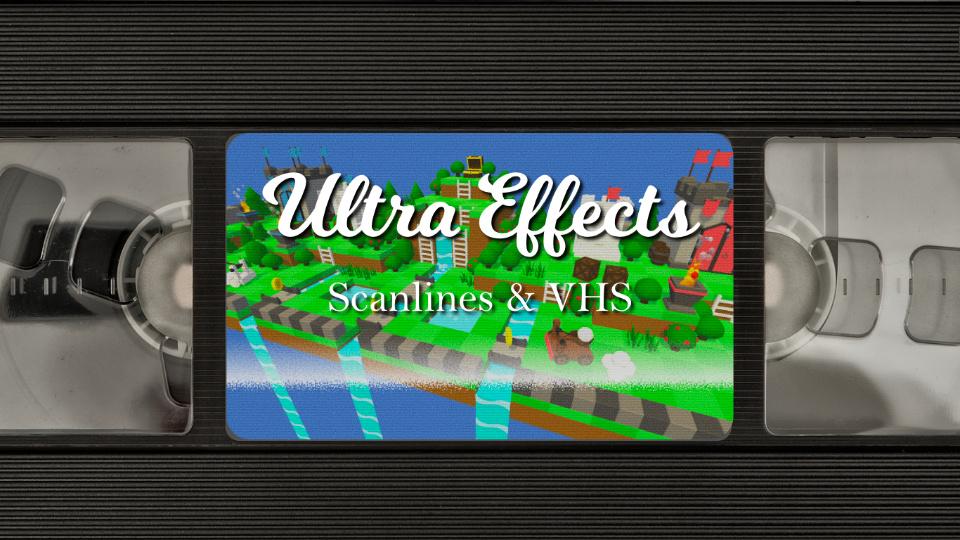
Scanlines and fuzzy visual glitches are all you need to create a simple and convincing CRT screen effect.
Separating out different color channels and offsetting them using UVs can emulate the way wavelengths of light bend by different amounts in a real camera lens.
Classic photographic film has surface imperfections which mean more or less light is captured. We can recreate it digitally with random noise and add film bars based on aspect ratio.
Separating out an image into two and tinting red and blue lets us create an image which looks 3D when viewed by special glasses.
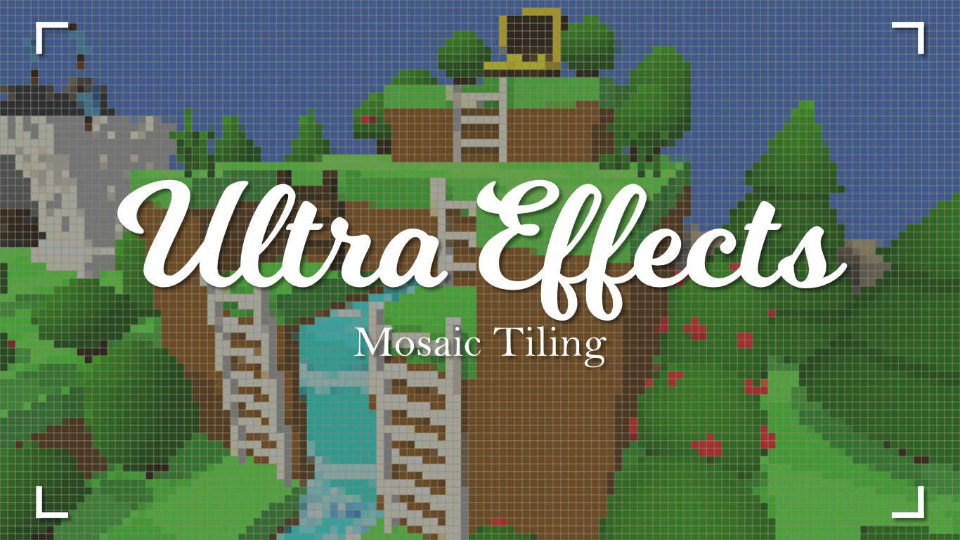
How often do you think about Ancient Rome? In this article, we'll pixelate the image and overlay a mosaic pattern between the pixel tiles.
With a UV offset based on a flow map texture, you can make the camera feel like it's underwater.
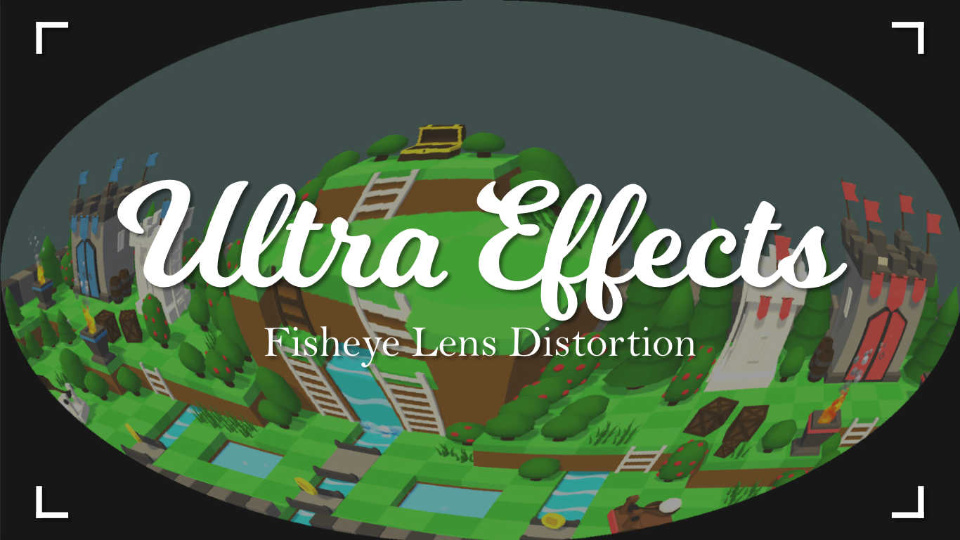
Some lenses are stronger than others, and with UV manipulation, we can implement the extreme warping of a fisheye lens.
In this series of articles, we'll learn about many different image effects such as fisheye lens, underwater, 3D anaglyph, and chromatic aberration.