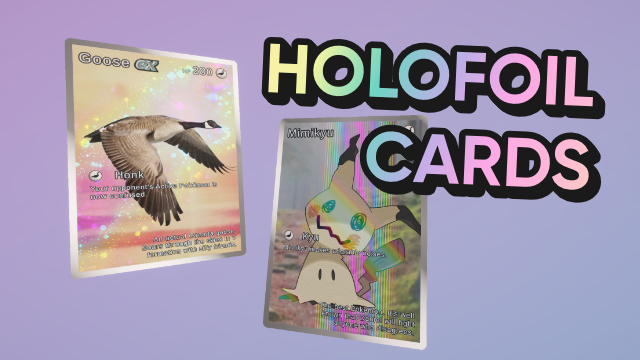
Holofoil cards are great fun to pull in the Pokémon TCG, and with the stencil buffer and other Shader Graph tricks, we can create digital equivalents with a ton of tweakable settings.

With post processing, it's possible to draw specific objects to a mask texture and outline them, turning the rest of the screen greyscale with a screen wipe effect.
By combining screen-space shadow maps, depth textures, post processing, and triplanar mapping, we can create flexible sketched shadows.
Turn any mesh into dazzling crystal by triangulating the mesh and using random vectors for lighting calculations.
Distort the view behind a mesh with the Scene Color node and tint it green for an easy Metal Gear-style stealth camo effect. It was my destiny to be here... in this article!
Combining Shader Graph and VFX Graph can yield more powerful visuals than using one tool alone.
We can use the stencil buffer to mask out portions of the screen and only render objects in specific layers in those portions for 'impossible' visuals.
The PS1 couldn't perform perspective-correct texture mapping, resulting in wobbly textures at some angles. We can do the same in HLSL with the noperspective keyword.
We can use a UV offset based on the distance between a pixel and a ripple origin point to distort a painting texture.
Geometry and tessellation shaders are capable of drawing thousands of grass blades on top of a ground mesh. Based on a fantastic article by Roystan.
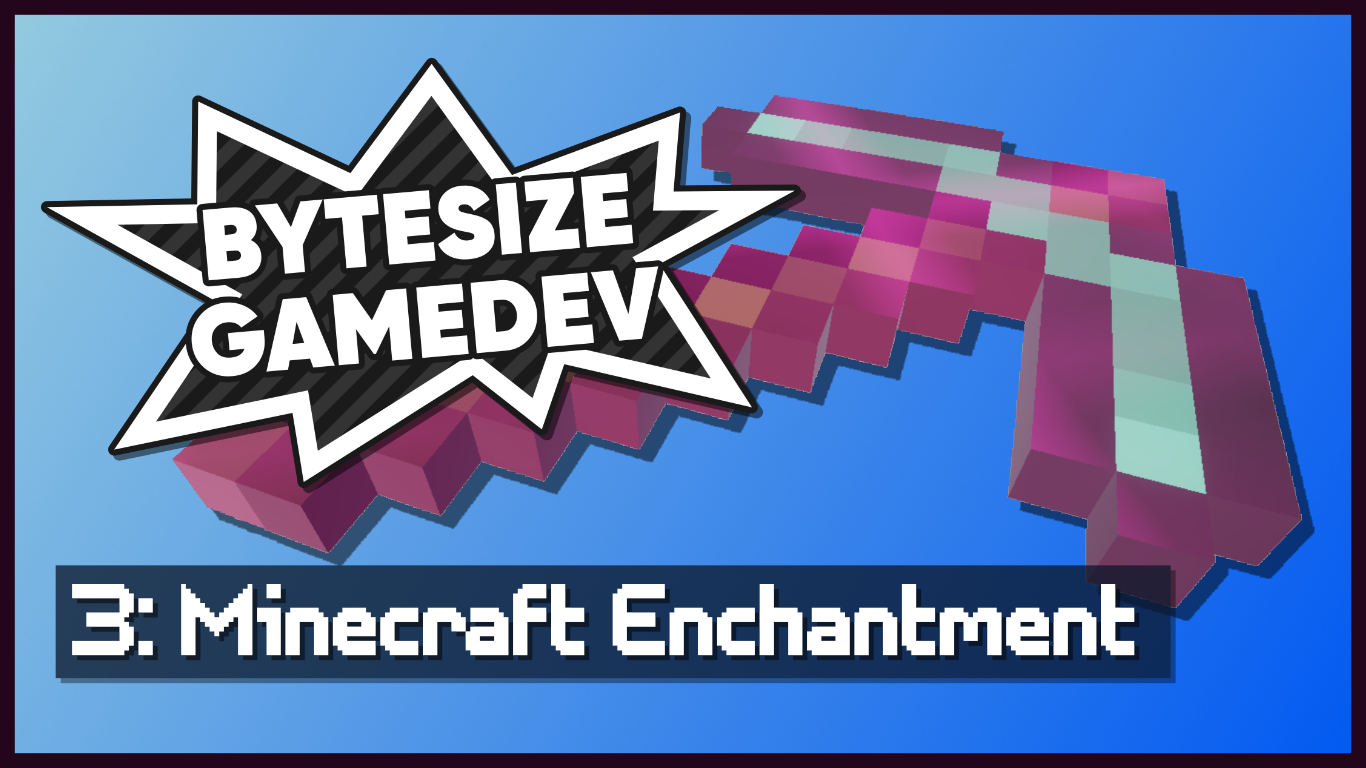
The enchantment effect seen in Minecraft involves scrolling a secondary transparent texture as an overlay on the base texture.
To make the two-frame wobble effect from scribbl.io, it's as easy as adding a random noise UV offset with a modulo clock.
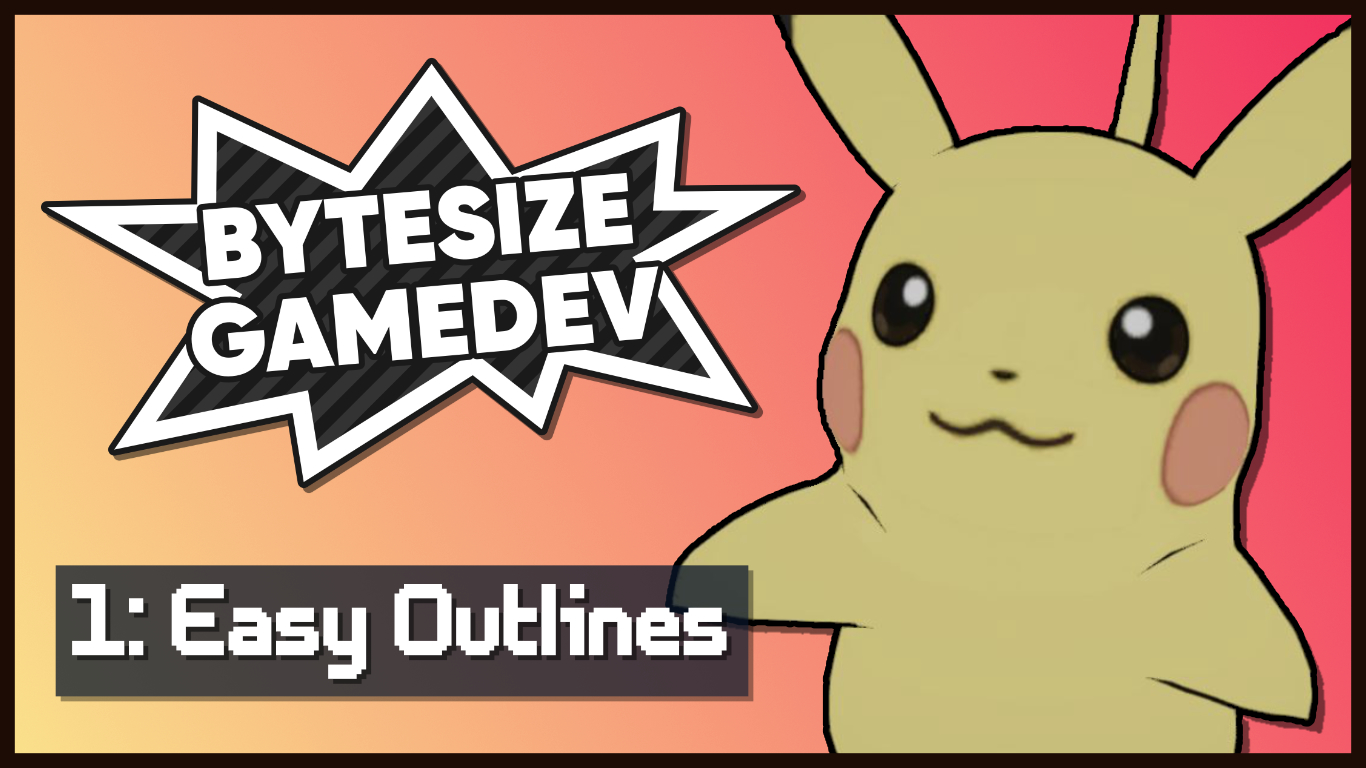
Duplicating a mesh, inverting its faces, and moving them along the normal vector then drawing with a block color is probably the most widely-used outline method in games.
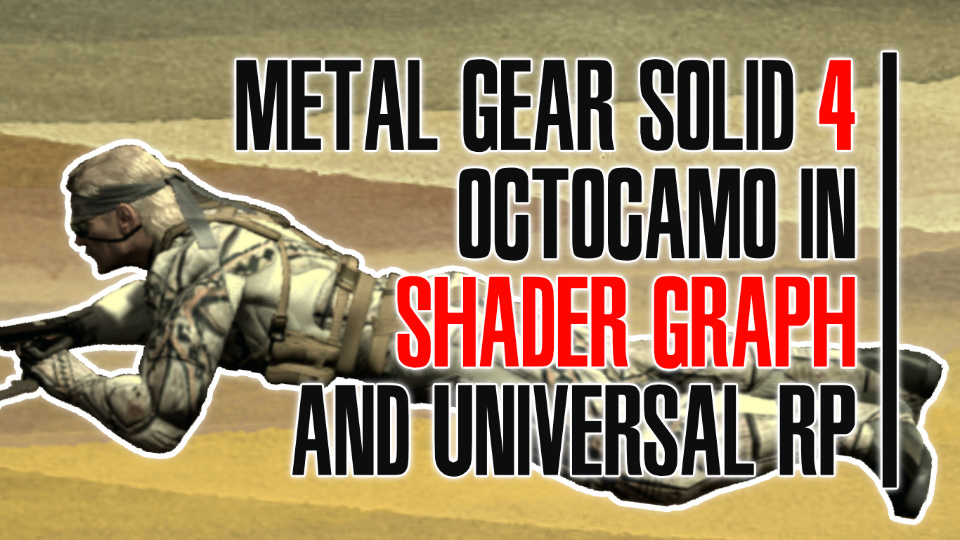
The Metal Gear Solid series uses camouflage mechanics to add to the stealth action. You can mimic the Octocamo mechanic by detecting which texture is being used on nearby objects.
Retro consoles could display a limited number of colors, and we can emulate them by posterizing the color output by our shader.